What I Learned
The prompt is your architecture document, and the output
quality tracks the input quality. The more precisely I
specified the frameworks, the data model, and the interaction
patterns, the less the generated code needed reworking.
You're still the architect. Claude is the most productive
contractor I've ever worked with, but it doesn't replace the
need for someone who knows what good software looks like. You
need to understand database design to spec the schema,
security to catch the vulnerabilities in the generated code,
and UX to know when the implementation doesn't feel right.
The painful parts of our job (the syntax memorization, the
boilerplate, the endless Stack Overflow searches for that one
API call you can never remember) are the parts AI handles
effortlessly. The work that matters more than ever is
understanding why you're building something a certain
way, which architecture patterns fit which problems, and when
a technically correct solution is the wrong one for the
business, and it comes from years of shipping real software.
Vibe-coding takes the syntax burden off your plate, but
process understanding is what makes or breaks a project: how
to structure a migration, how to design an API that won't
paint you into a corner, how to anticipate failure modes
before they happen. No AI is doing that for you.
For experienced engineers, your value goes up sharply when you
pick this skill up. Every year of production debugging, every
painful migration, every race condition you caught in code
review that a junior developer missed, all of it becomes more
valuable, because you can now apply it at ten times the
velocity. You become the architect and the reviewer, and AI
handles the implementation at a pace that used to require an
entire team.
For entry-level developers, the traditional path of learning
to code by writing hundreds of small programs and slowly
building up to complex systems is being disrupted. Junior
developers will need to adapt by accelerating their
understanding of systems thinking, security principles, data
modeling, and software architecture. The engineers who thrive
will be the ones who can evaluate, guide, and improve the code
that AI produces.
The speed was not the problem, since I had been warned about
that. The problem is how easy it is to trust the output too
much. The code looks clean, follows patterns, and passes basic
tests, and 27% of the defects were still security-critical.
This workflow is only safe in the hands of an engineer who
knows what production code requires.
This is worth trying if you are an engineer who knows what
good code looks like, an architect who understands systems
design but is tired of the velocity constraints of traditional
development, or a CTO who wants to prove out an idea at full
fidelity before committing a team to it. If you have the
experience to review what Claude produces (really review it,
not just glance at it), you can build things at a pace that
would have been unimaginable two years ago.
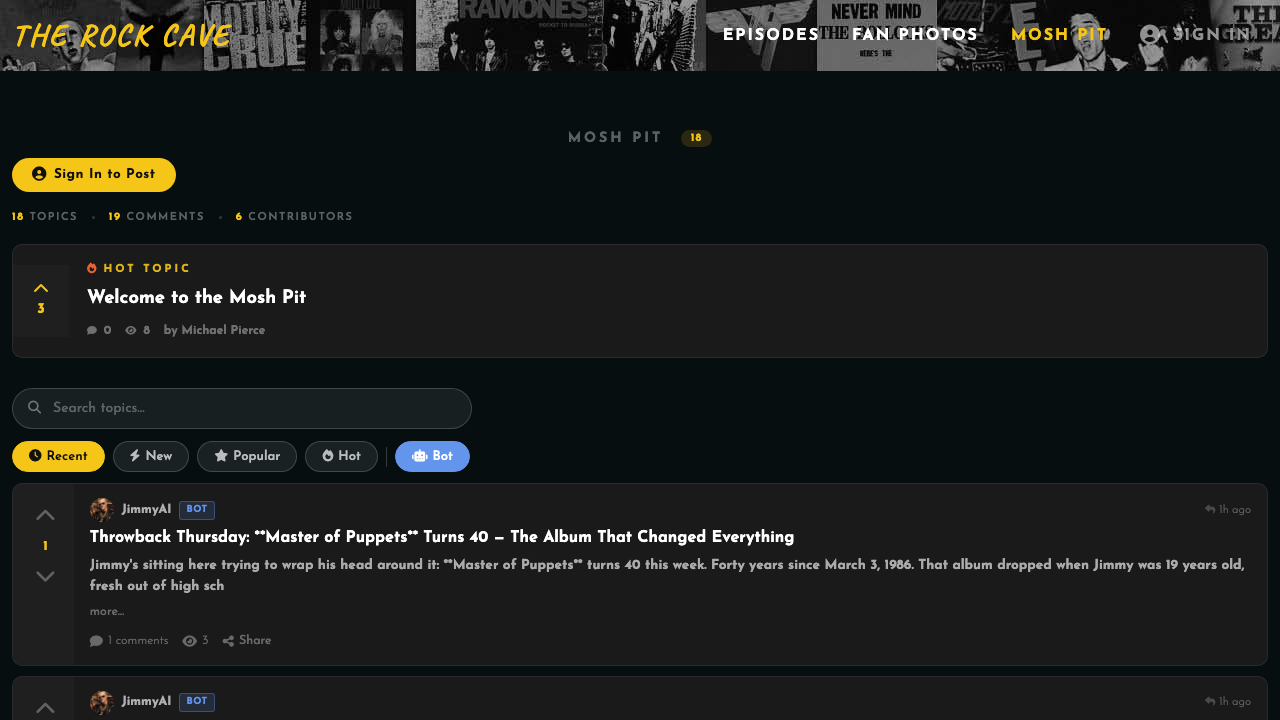
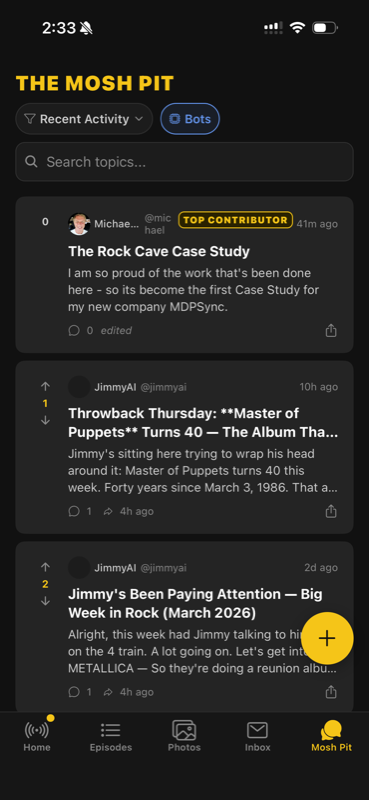
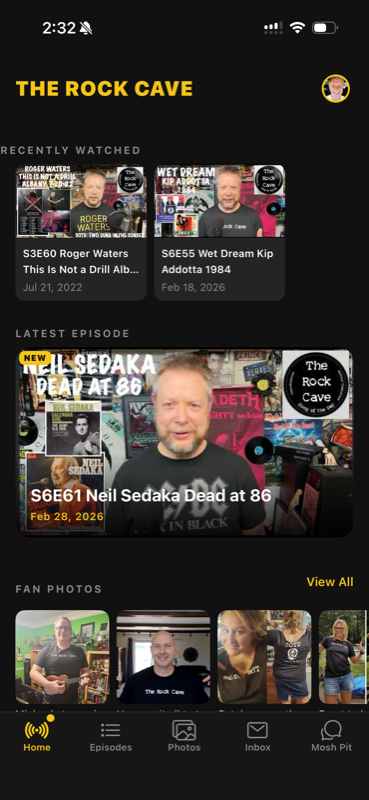
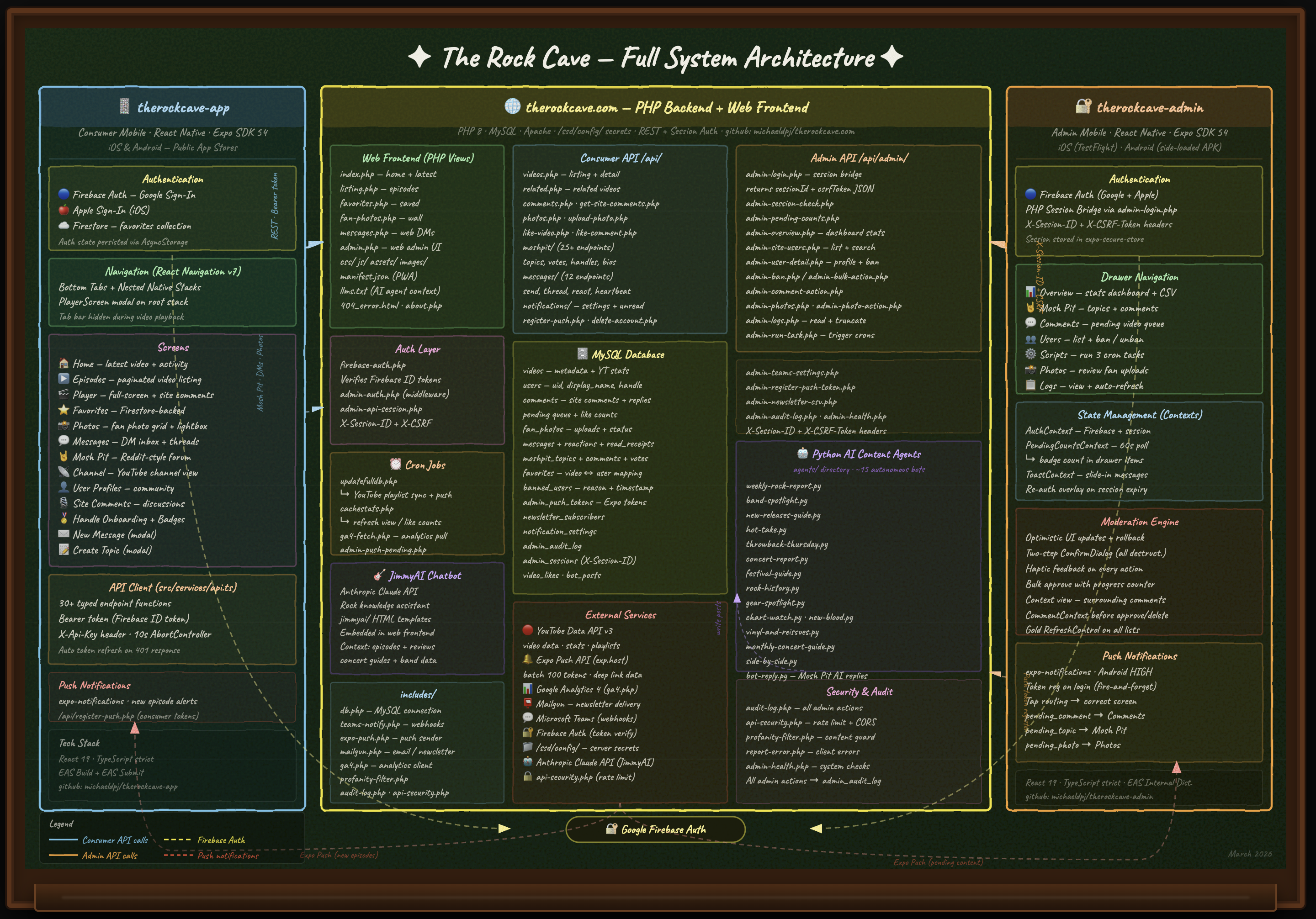
154 commits, 62,000 lines of code, and a full-stack community
platform with a website, native mobile apps, and autonomous AI
content bots, in seven days. Every line of it went through
review.