Guide

From Senior Engineer to My First Vibe-Coded Project

How I built a full-stack community platform and mobile apps in 7 days with Claude AI

By Michael Pierce · MDPSync · March 2026

12 min read

Why I Tried This

I've been building software for a long time. Started as a hands-on full-stack developer, moved into enterprise consulting, spent years working on Dynamics 365 implementations and ArcGIS integrations for large organizations. The kind of work where you're designing systems architecture, managing complex data pipelines, and navigating the politics of enterprise IT. Rewarding in its own way, but a far cry from sitting down and building something from scratch.

I hadn't built a consumer web application from the ground up in years. Then I started reading about Claude AI's coding capabilities — not the breathless hype pieces, but the technical deep-dives from engineers I respected. People were describing productivity gains that sounded impossible. So I decided to test it myself. Not with a toy project or a landing page, but with something genuinely ambitious — something that would stress-test whether AI-assisted development could produce real, production-quality software.

The hype didn't just match reality. It far exceeded it.

What is The Rock Cave?

The Rock Cave is Mark Pierce's YouTube channel — over 1,200 episodes of classic rock deep-cuts, album reviews, and music history since 2014. It's built a passionate following of fans who live for the kind of rock music that doesn't get enough love anymore. The channel had an existing website, but it was essentially a video catalog. A list of episodes you could scroll through. Functional, but lifeless.

The vision was bigger: rebuild it from the ground up into a real community platform. A place where fans could discuss episodes, share photos, message each other, and stay engaged between uploads. And because Mark's audience skews older and less likely to adopt yet another social media platform, the experience had to be simple, fast, and inviting. Oh, and we needed native mobile apps for iOS and Android too. And AI-powered content bots. In a week.

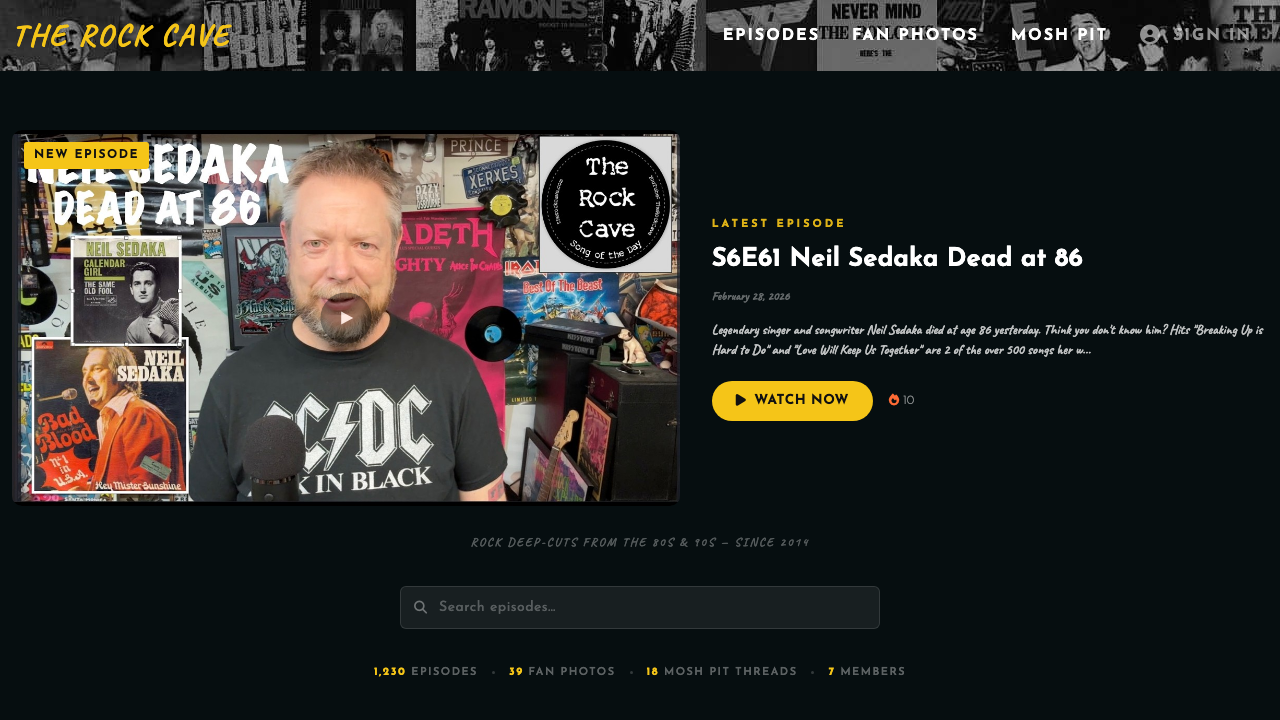
The Rock Cave Homepage The Rock Cave — rebuilt from a basic video catalog into a full community platform

The First Prompt

Everything starts with the first prompt. And the first thing I learned is that the prompt isn't just a request — it's your architecture document. The more precisely you describe what you want, the closer Claude gets on the first pass. Vague prompts produce vague code. Detailed prompts produce surprisingly complete systems.

Here's roughly what I started with:

The First Prompt Rebuild therockcave.com as a modern dark-themed community platform. Use Bootstrap 5 with a responsive layout. The homepage should feature the latest YouTube episode with embedded player, a searchable episode grid with typeahead autocomplete, and a dark OLED-black color scheme with gold accents. The existing site has 1,200+ episodes — pull them from the YouTube API and display them in a filterable, paginated grid. Make it fast, make it clean, and make it feel like a place fans want to hang out.

Claude came back with a working site shell — HTML, CSS, JavaScript, the YouTube API integration, a responsive grid layout — in hours. Not a mockup. Not a wireframe. A working application with real data flowing through it. I remember the moment the episode grid populated for the first time, 1,200+ episodes searchable with typeahead autocomplete, and I just sat there staring at the screen. That was the moment I understood that everything I'd read about AI-assisted development was underselling it.

The key insight from that first session: the prompt IS the architecture document. When I wrote a vague instruction, I got generic output. When I wrote with the specificity of a technical spec — naming the framework, describing the interaction patterns, specifying the data source — Claude produced code that felt like it came from a senior developer who'd been briefed for days.

The Build — Phase by Phase

Phase 1

The Foundation — Days 1-2

The first two days were about getting the bones right. Bootstrap 5 for the responsive framework. A dark theme with that OLED-black background and gold accent palette that makes everything feel cinematic. The video player page with YouTube embed integration. And the episode grid — the heart of the site — with full-text search, year filters, and pagination.

I gave Claude a prompt for the video player page that read more like a product requirements doc than a coding request: describe the layout, the sidebar with related episodes, the comment display, the share functionality, the responsive breakpoints. Claude delivered. Twenty-three commits in two days, and the entire skeleton of the platform was standing. It wasn't polished yet, but every major piece was in place and functional.

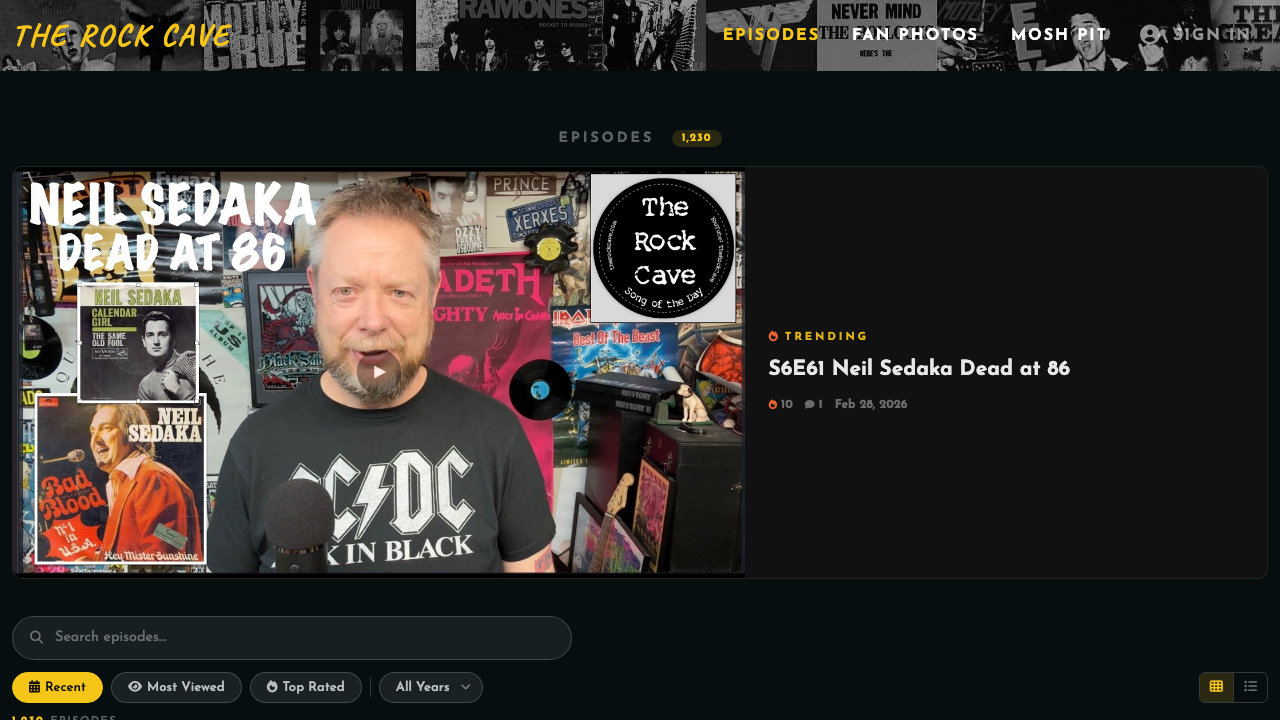
Episode grid with search and filtering Episode grid with search, filtering, and pagination
Phase 2

The Mosh Pit & Community — Days 3-4

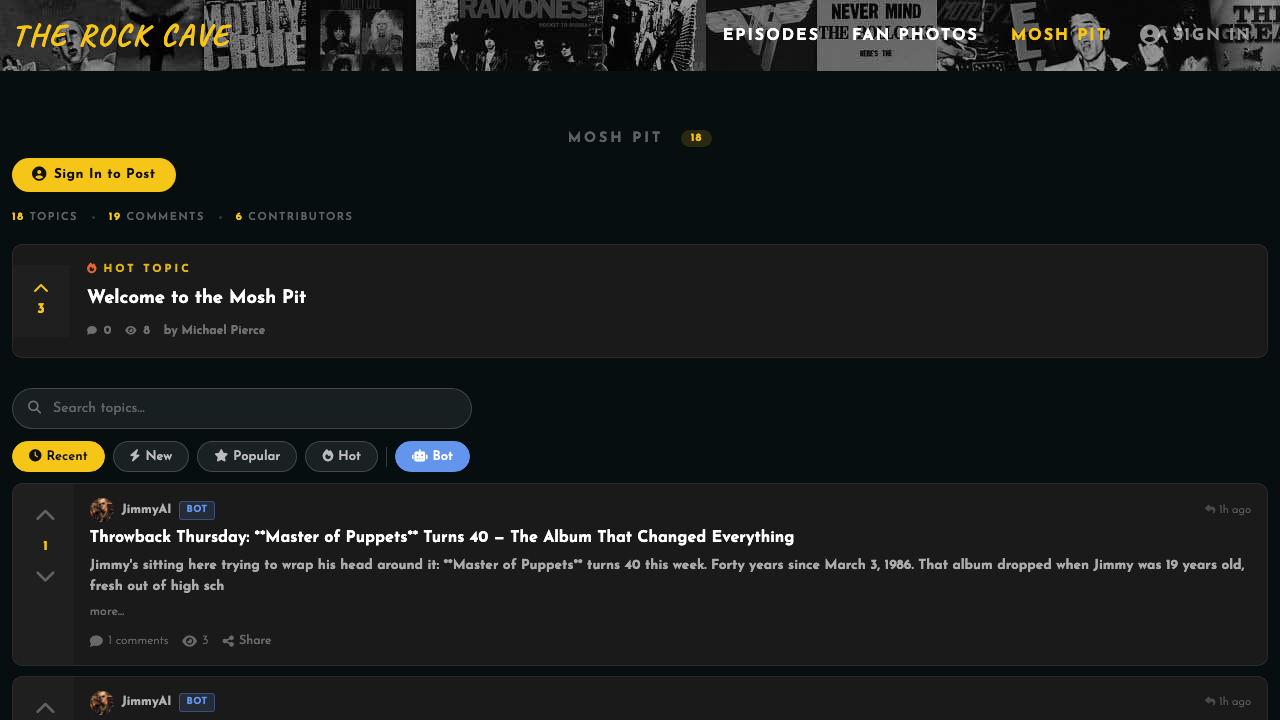
Days three and four were where the site went from a content platform to a community. The Mosh Pit is The Rock Cave's forum — think Reddit, but for rock fans. Topics, comments, threaded replies, bidirectional voting, karma scores, user profiles with avatars and activity history. It's the kind of feature set that a traditional team would scope at 4-6 weeks minimum.

By this point I'd settled into a rhythm that worked beautifully. Write a detailed spec for the feature — not pseudocode, not user stories, but a thorough technical description of what the feature should do, how the data should flow, and what the UI should look like. Hand it to Claude. Review what comes back. Refine. Commit. The fan photo gallery followed the same pattern: upload support, a lightbox viewer, likes, and a clean masonry-style layout.

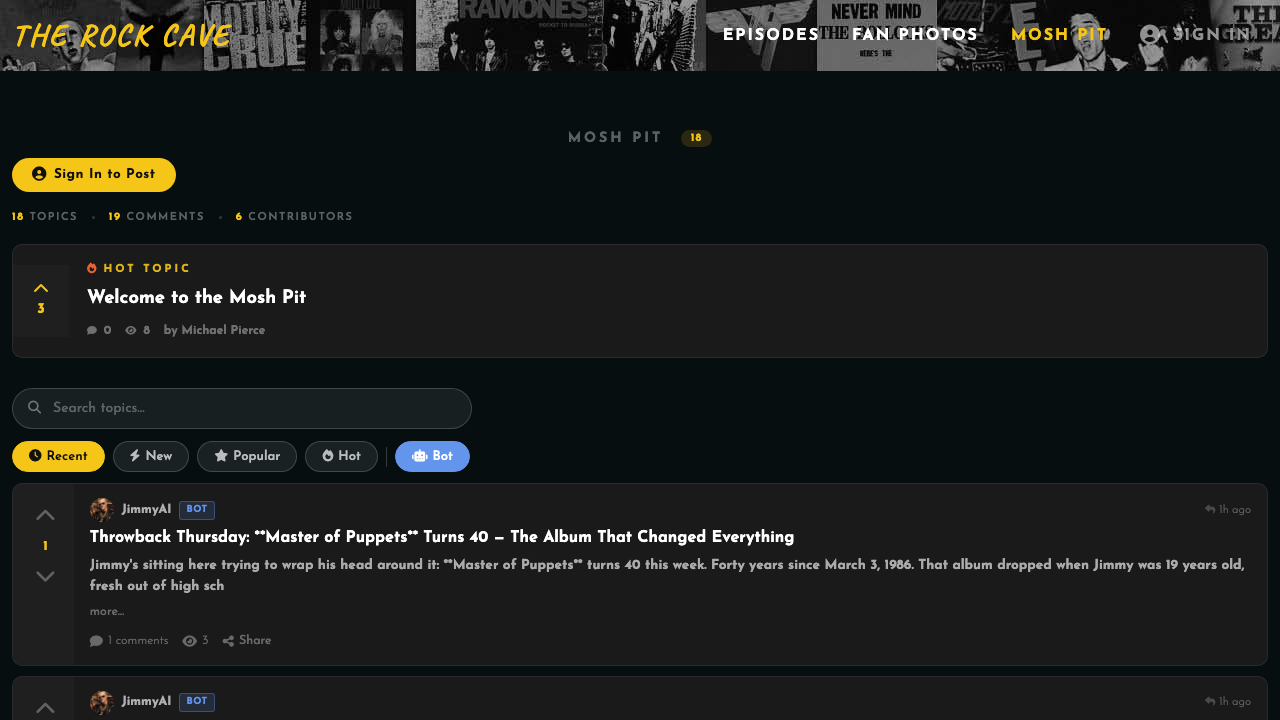
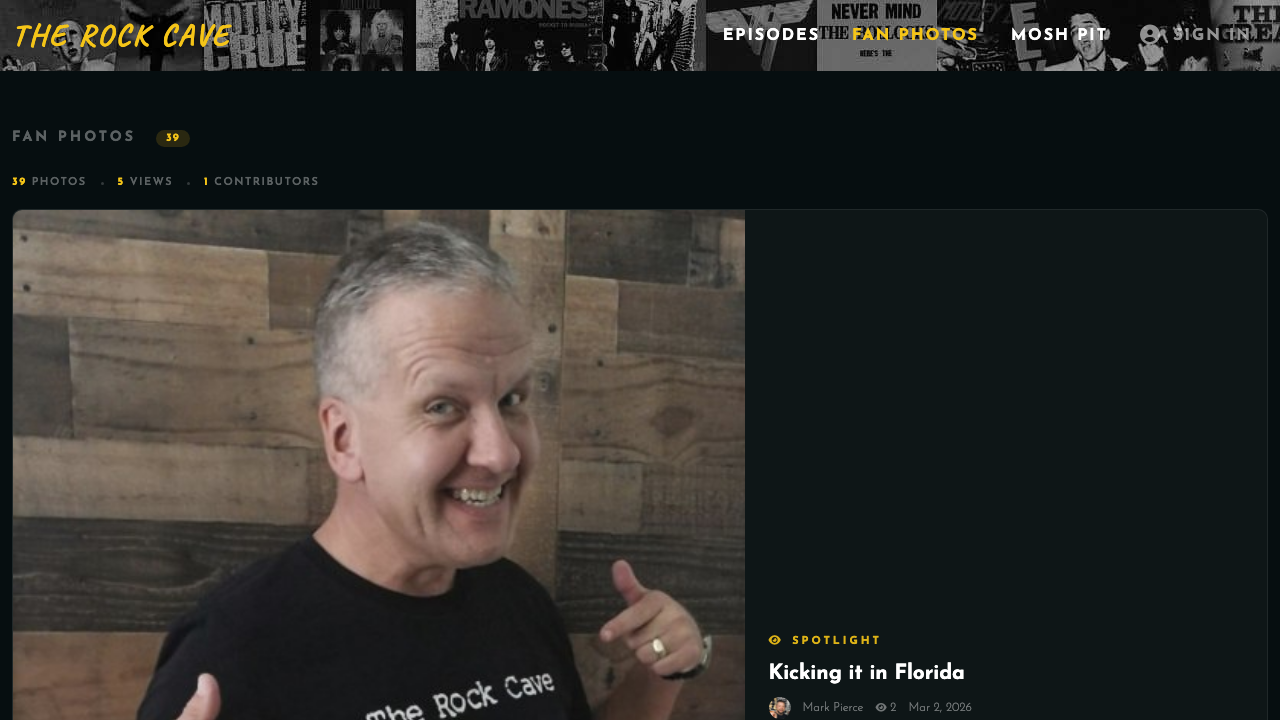
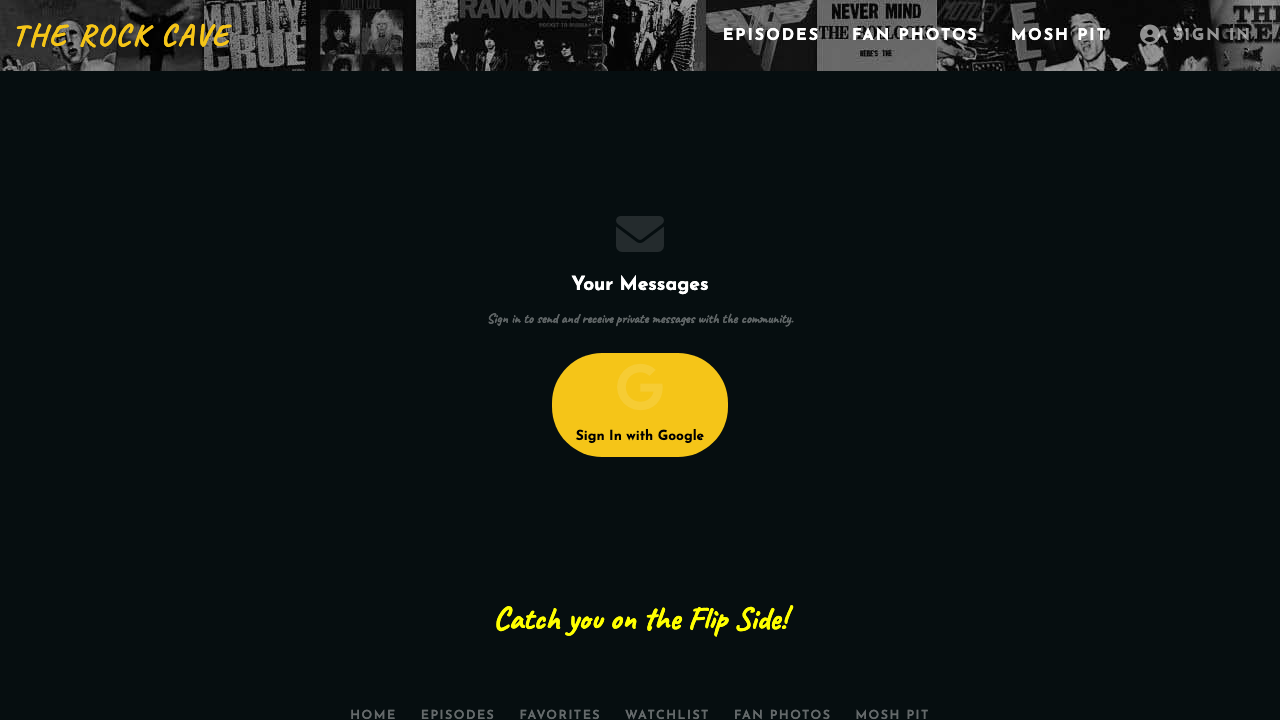
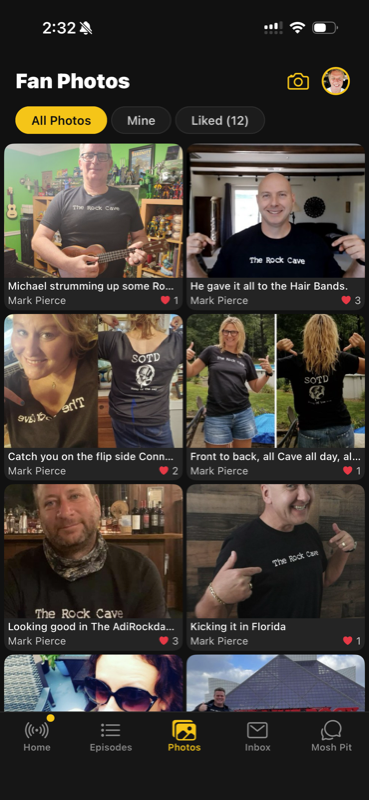
The Mosh Pit community forum The Mosh Pit — community forum with voting, threading, and user profiles Fan Photos gallery Fan Photos gallery with lightbox viewer
Phase 3

Messaging — Day 5

Day five was the most productive single day I've ever had as a developer. Over 50 commits. A complete private messaging system — not a bare-bones chat widget, but a full-featured messaging experience. Conversation list with preview snippets. Threaded message view. WhatsApp-style three-state read receipts (sent, delivered, read). Typing indicators. Emoji reactions on individual messages. Online presence indicators showing who's active right now.

This is the day the velocity became undeniable. Every feature I described, Claude implemented with a completeness that kept surprising me. I'd ask for typing indicators and get typing indicators with debouncing, timeout logic, and graceful cleanup. I'd ask for read receipts and get a three-state system with the visual design already handled. The gap between describing what I wanted and having it working in front of me collapsed to minutes.

Private messaging system Private messaging with read receipts, reactions, and typing indicators
Phase 4

The AI Bots

This is the part of the build that genuinely excites me the most, because it goes beyond what a traditional development team would even attempt in a project like this. The Rock Cave doesn't just have a website and mobile apps — it has an autonomous content engine that runs itself.

The flagship is JimmyAI. Jimmy is a content bot built on a Python agent architecture that uses Claude's API to research, write, and publish fully styled content pages. Here's how it works: a scheduler triggers specialized agents on a content calendar. Each agent searches the web for real, current data — upcoming concert tours, new vinyl reissues, album anniversaries — then generates a complete HTML content page with proper formatting, images, and metadata. The agent uploads the finished page to the server and auto-posts it to the Mosh Pit forum. No human intervention required.

There are 15+ specialized agents covering a full editorial calendar: monthly concert tour guides for every major market, Throwback Thursday deep-dives into classic albums, band spotlights, new release reviews, vinyl and reissue roundups, gear spotlights, festival guides, and more. Each agent knows its beat, researches current information, and produces content that's genuinely useful to fans — not the generic filler you'd expect from an AI.

But JimmyAI isn't alone. The Rock Cave has a cast of bot personalities that engage in forum conversations. AliceAI is Jimmy's wife — she loves hair metal and isn't afraid to defend Poison and Bon Jovi against Jimmy's dismissals. ZoeAI is a 22-year-old who discovered classic rock through Greta Van Fleet two years ago and brings the enthusiasm (and occasional hot takes) of a new fan. VinnieAI is a retired record store owner from Chicago with encyclopedic prog rock knowledge and the dry wit to match. Together they create organic-feeling discussions that give the community life even when human members aren't posting.

The content calendar runs itself. Agents post on schedule with real, researched data. The forum stays active with bot conversations that are entertaining and informative. For a community platform, this is the difference between a site that feels alive and one that feels abandoned. And it all runs autonomously.

JimmyAI content post JimmyAI-generated content posted autonomously to the Mosh Pit
JimmyAI JimmyAI @jimmyai The Host — classic rock takes, no filter
AliceAI AliceAI @aliceai Jimmy's wife — hair metal defender
ZoeAI ZoeAI @zoeai Gen-Z discovering classic rock
VinnieAI VinnieAI @vinnieai Retired record store owner, prog rock sage
Phase 5

Mobile Apps — Days 5-6

The mobile apps are where the spec-as-prompt pattern hit its stride. React Native with Expo — one TypeScript codebase for both iOS and Android. The apps talk to the same PHP API as the website, so there was zero backend duplication. Fifteen screens, sixteen custom hooks, full feature parity with the web platform.

For the mobile apps, I used Claude's /plan skill — instead of writing the spec myself, I described what I wanted at a high level and asked Claude to make recommendations and ask me questions to help build the plan. It became a collaborative back-and-forth: Claude would ask about navigation patterns, offline behavior, authentication flows, and I'd answer with my preferences. The result was a detailed spec covering every screen, every navigation flow, every interaction — built through conversation rather than written from scratch. The level of completeness that came back from implementation was remarkable. Tab navigation, pull-to-refresh, infinite scroll, deep linking, push notification handling, secure token storage — all implemented from that collaboratively built spec. The pattern was clear: let the AI help you think through the architecture, then let it build what you designed together.

Mobile Spec Excerpt Build a React Native + Expo app for The Rock Cave. Tab navigation with five tabs: Home, Episodes, Mosh Pit, Fan Photos, and More. The Episodes screen should display a searchable, filterable grid identical to the web version, with pull-to-refresh and infinite scroll pagination. The video player should use an in-app WebView with the YouTube embed. Mosh Pit should support threaded comments with voting. All API calls should go through a centralized service layer using the existing PHP endpoints with JWT authentication and secure token storage via expo-secure-store.

Two days. Two platforms. Full feature parity. That's not a brag — it's a statement about what's possible now when experienced engineers combine their architectural knowledge with AI-assisted execution.

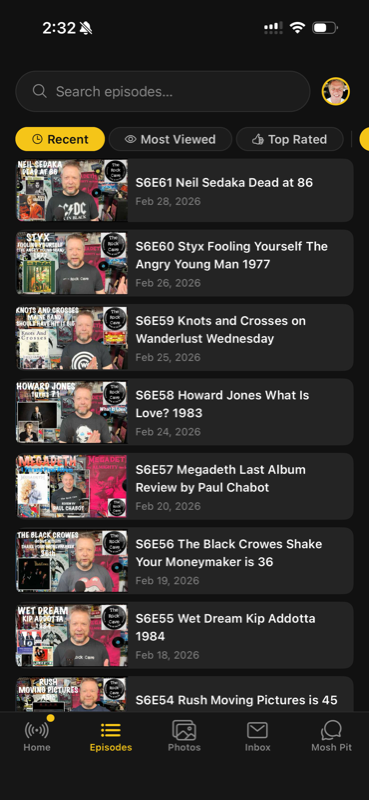
Episodes Episodes
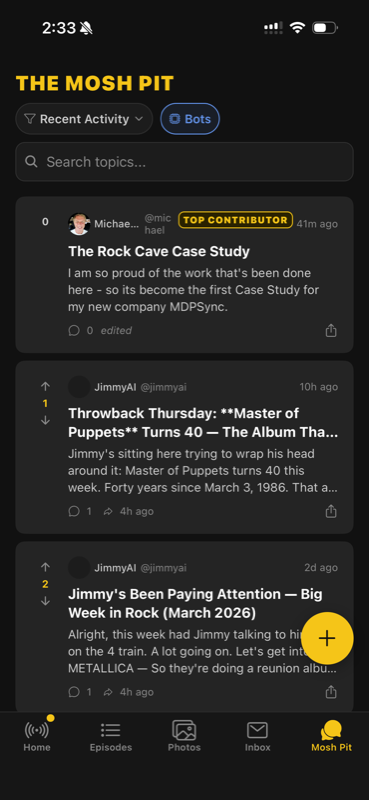
Mosh Pit Mosh Pit
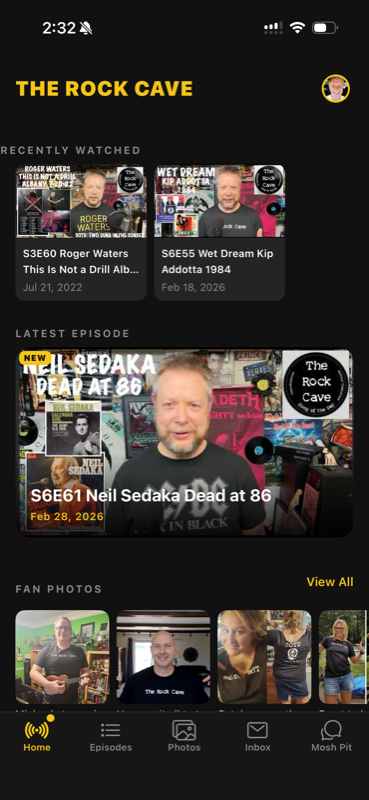
Home Home
Fan Photos Fan Photos
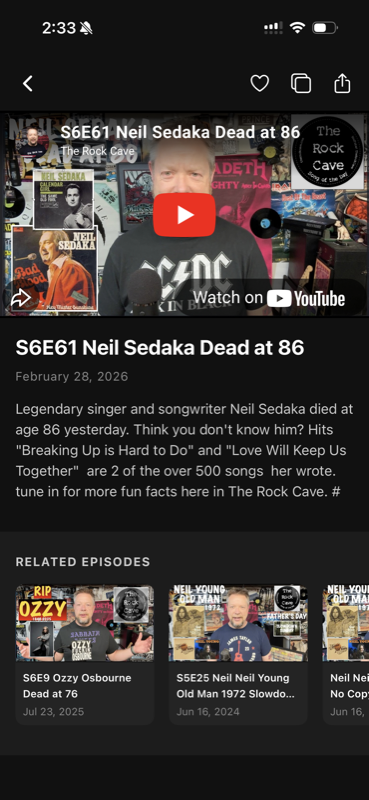
Player Player
Phase 6

Hardening & Polish — Days 6-7

The last stretch was about making everything production-ready. Security came first: Content Security Policy headers, rate limiting on every API endpoint, comprehensive input sanitization, and CSRF protection across all forms. Then SEO: meta descriptions and Open Graph tags on every page, structured data markup, and a proper sitemap. Performance tuning followed — cache headers, query optimization, database connection pooling, and lazy loading for images throughout.

I added Microsoft Teams webhook notifications so the admin gets real-time alerts for new signups, flagged content, and system errors. Small touch, but it closes the operational loop.

Here's the honest part — the part that matters most. Across 62,000 lines of code, Claude generated 33 defects. That's an impressively low rate, but 27% of those defects were critical security issues caught during manual review. SQL injection vectors. Missing authentication checks on API endpoints. Insufficient input validation. Every one of them was something an experienced developer would catch in code review, and every one of them would have been a serious vulnerability in production.

Vibe-coding is fast. Astonishingly fast. But human review is non-negotiable. If you skip the review, you're shipping a prototype and calling it production. Don't do that.

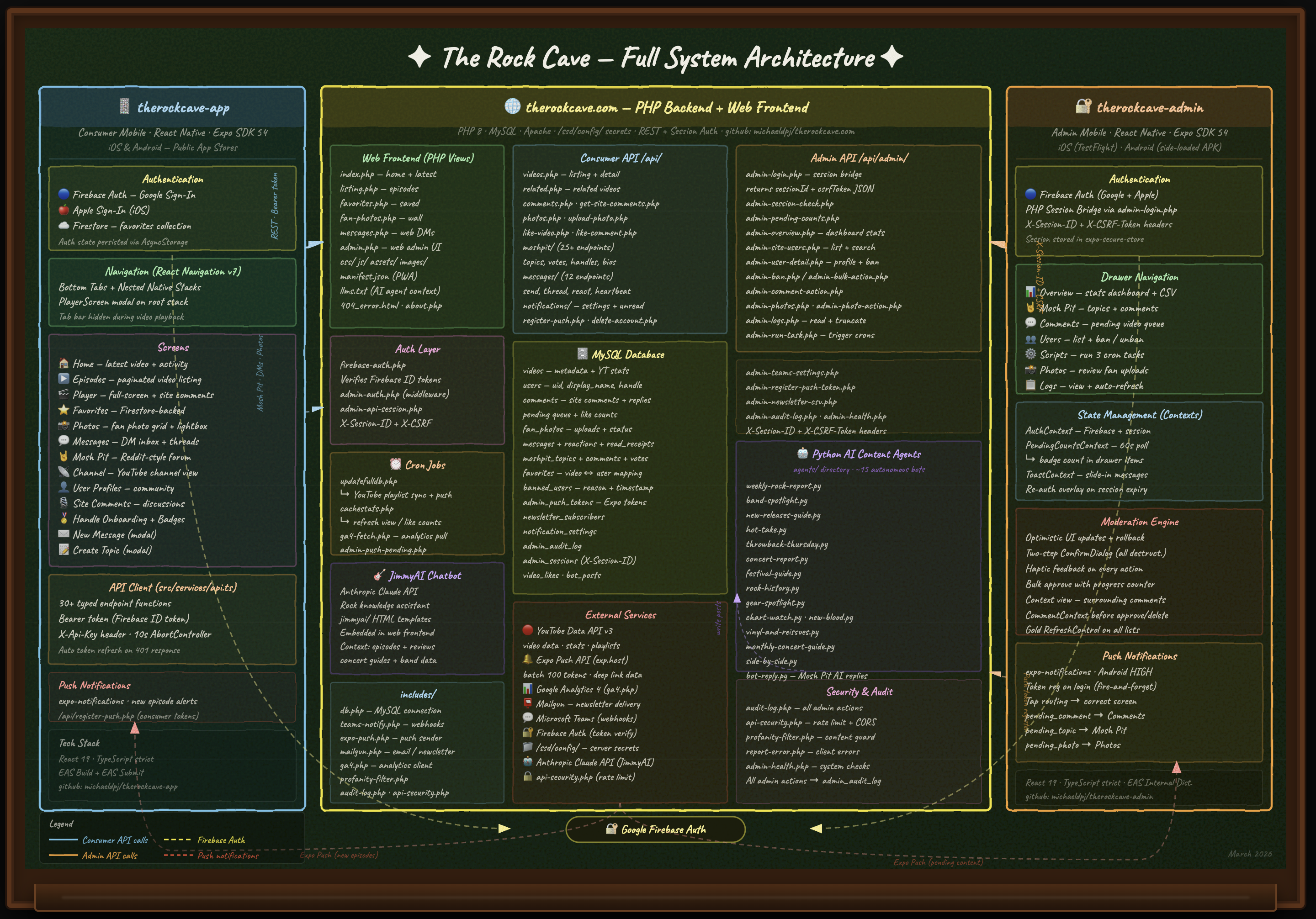
The Rock Cave — Full System Architecture Full system architecture — click to enlarge

What I Learned

The prompt is your architecture. I can't say this enough. The quality of the output is directly proportional to the quality of the input. When I wrote prompts with the specificity of a technical specification — naming the frameworks, describing the data model, defining the interaction patterns — Claude produced code that needed minimal revision. When I was vague, I got generic code that needed heavy rework. Treat your prompts like you'd treat an architecture document, because that's exactly what they are.

You're still the architect — and that matters more than ever. Claude is the most productive contractor I've ever worked with, but it doesn't replace the need for someone who knows what good software looks like. You need to understand database design to spec the schema correctly. You need to understand security to catch the vulnerabilities in the generated code. You need to understand UX to know when the AI's implementation doesn't quite feel right. The AI amplifies your expertise — it doesn't replace it. And this is where the conversation about AI and software engineering gets nuanced, because vibe-coding doesn't eliminate engineers — it reshapes what it means to be one.

The painful parts of our job — the syntax memorization, the boilerplate, the endless Stack Overflow searches for that one API call you can never remember — those are the parts AI handles effortlessly. But understanding why you're building something a certain way, knowing which architecture patterns fit which problems, recognizing when a technically correct solution is the wrong solution for the business — that's the work that matters more than ever, and it comes from years of experience shipping real software. Vibe-coding takes the syntax burden off your plate, but process understanding is what makes or breaks a project. Knowing how to structure a migration, how to design an API that won't paint you into a corner, how to think about failure modes before they happen — no AI is doing that for you. Not yet.

For experienced engineers, this is an inflection point. Your value goes up — dramatically — when you embrace this skill. Every year of production debugging, every painful migration, every time you caught a race condition in code review that a junior developer missed — all of that experience becomes more valuable, not less, because you can now apply it at ten times the velocity. You become the architect, the reviewer, and the quality gate, and AI handles the implementation at a pace that used to require an entire team.

For entry-level developers, the landscape is genuinely shifting. The traditional path of learning to code by writing hundreds of small programs and slowly building up to complex systems is being disrupted. Junior developers will need to adapt — not by fighting AI, but by accelerating their understanding of systems thinking, security principles, data modeling, and software architecture. The engineers who thrive won't be the ones who can write the most code; they'll be the ones who can evaluate, guide, and improve the code that AI produces. The bar for what "knowing how to code" means is moving, and it's moving toward deeper understanding rather than broader syntax knowledge.

The velocity is real, and so is the risk. What surprised me most wasn't the speed — I'd been warned about that. What surprised me was how easy it would be to trust the output too much. The code looks clean. It follows patterns. It passes basic tests. But 27% of the defects were security-critical. If you're an engineer who knows what production code requires, this workflow is transformational. If you're not, it's dangerous.

Who should try this? Engineers who know what good code looks like. Architects who understand systems design but are tired of the velocity constraints of traditional development. CTOs who want to prove out an idea at full fidelity before committing a team to it. If you have the experience to review what Claude produces — really review it, not just glance at it — you can build things at a pace that would have been unimaginable two years ago.

154 commits. 62,000 lines of code. A full-stack community platform with website, native mobile apps, and autonomous AI content bots. Seven days. The future of software development isn't about replacing engineers. It's about giving experienced engineers superpowers.